Doctor. Artist. Observer of the Unsayable.
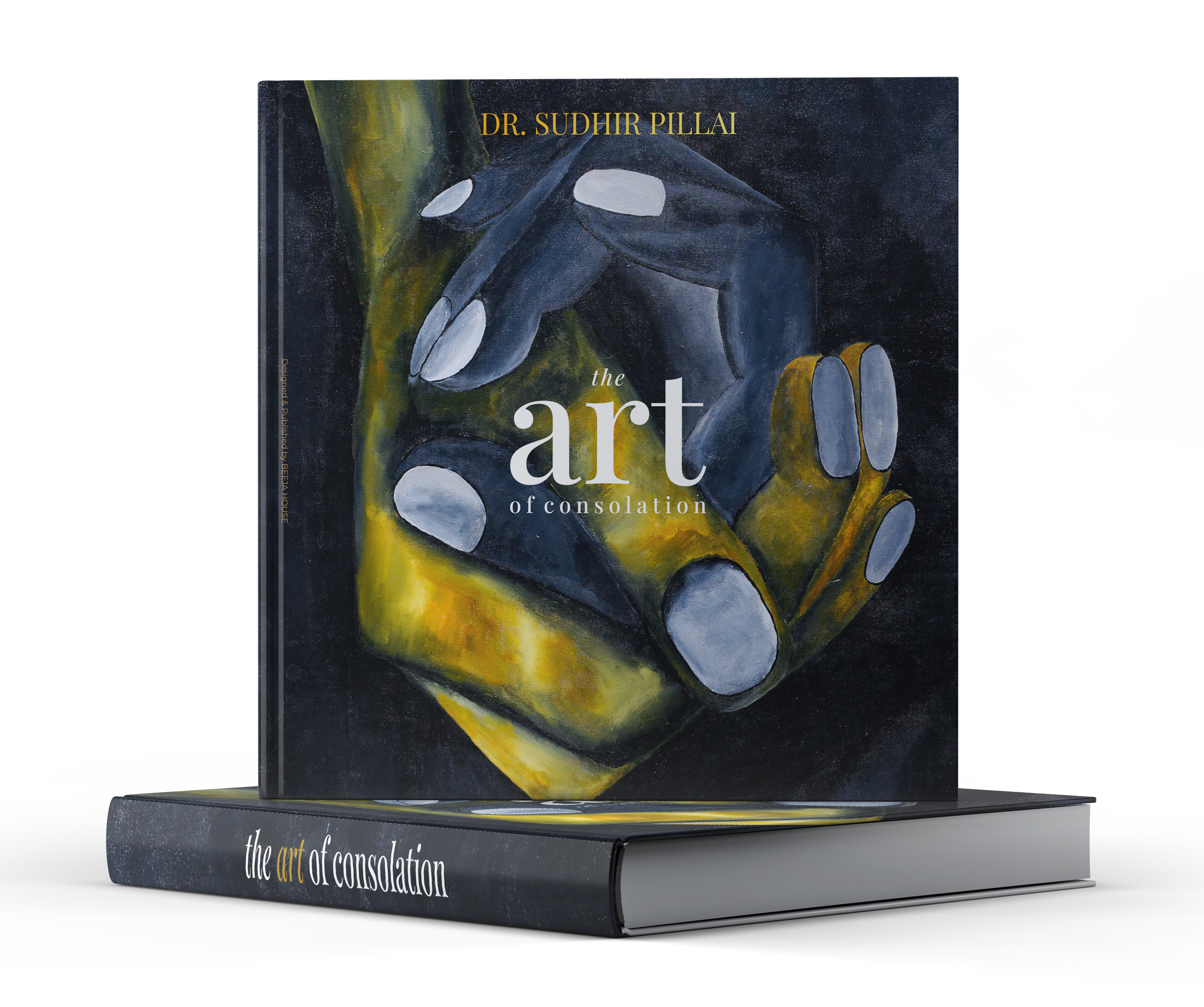
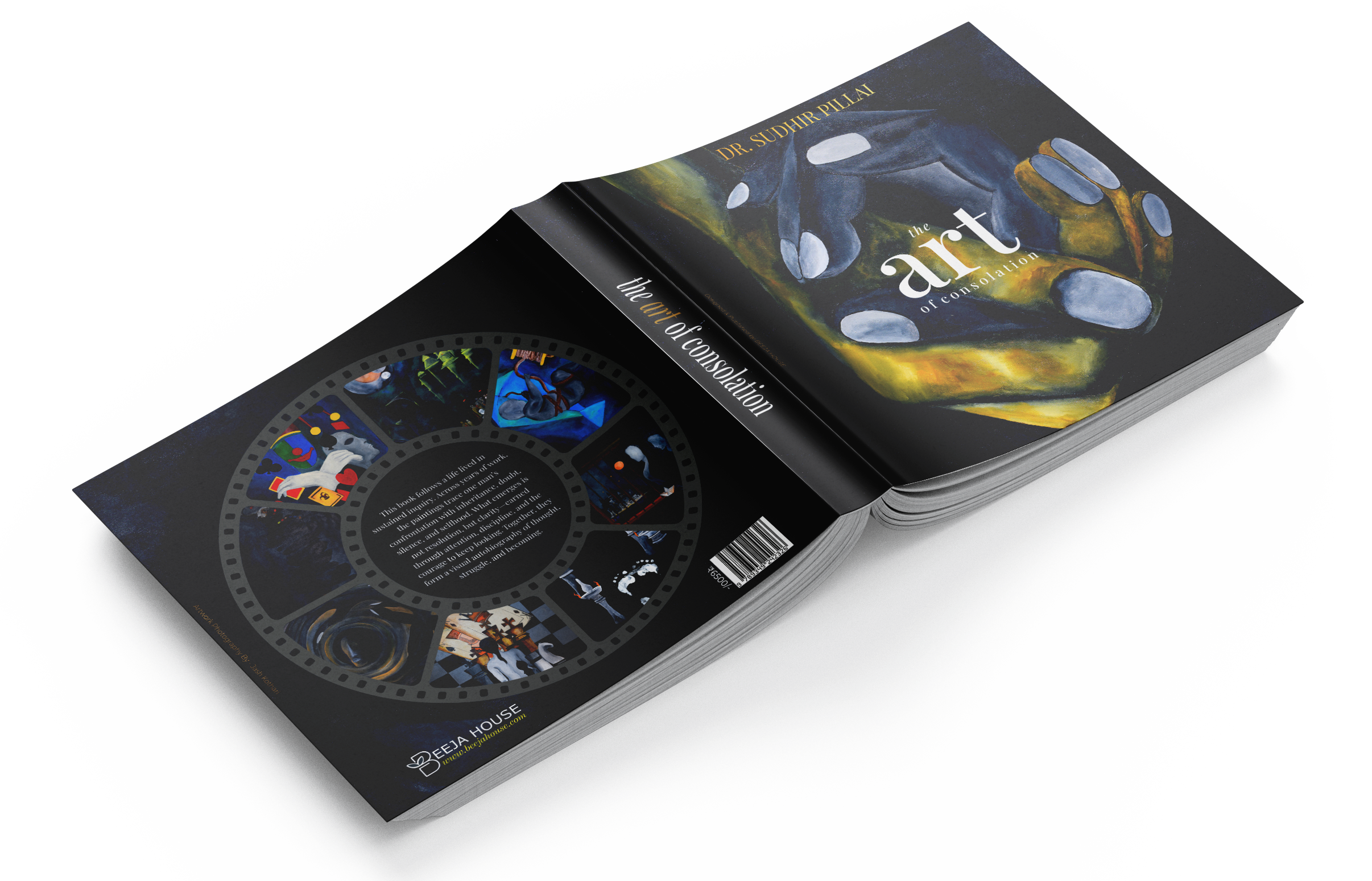
The Art of Consolation It is about what remains when certainty leaves the room.


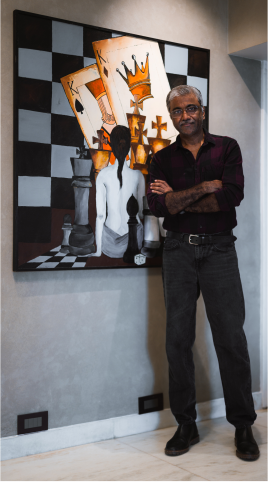

Dr. Sudhir has spent decades practising medicine — listening to hearts, reading scans, making urgent decisions.
But alongside the science, another practice grew.
Not louder.
Quieter.
Painting began not as ambition, not as performance — but as a way to sit with questions that clinical language cannot hold.
What does it mean to console without curing?
To witness without fixing?
To stay present in uncertainty?
His work lives in that space.
This book is not a catalogue.
It does not explain the art.
It creates a pause.
Born from a deeply personal artistic journey, The Art of Consolation invites slow engagement. Each work carries its own emotional gravity — not to instruct, but to accompany.
Launched at Jehangir Art Gallery, the book bridges two worlds:
clinical discipline and interior reflection.
It asks no urgency of the reader.
Only attention.
The exhibition of The Art of Consolation drew thousands across age groups — not through spectacle, but through stillness.
People did not rush the works.
They lingered.
They spoke softly.
They returned.
Many said the paintings felt familiar, though they could not explain why.
Perhaps because consolation is universal.
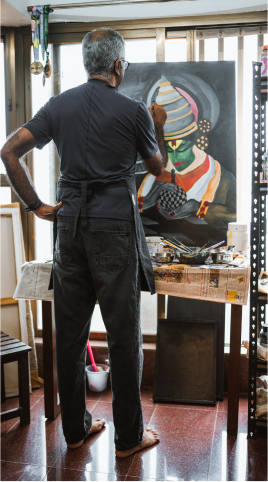
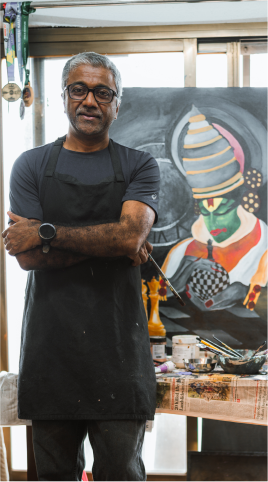
I do not paint to explain. I paint to see. Words try to settle things. Paint lets them breathe. On a canvas, a line can hold two truths at once. It can be a wound and a path, a shadow and a shelter. Life is like that, rarely single-meaning. It arrives layered: duty and fatigue, love and distance, fracture and a small mercy. You see it only when you stand still long enough.
These works came from that kind of stillness. Not quitting, just the pause after urgency. In that pause I learned that control narrows the view; attention widens it. Acceptance wasn’t defeat; it was a way to weigh things properly, to let them show their right size.
I paint to hold that clarity for a little longer. To look at what breaks without turning away. To name the tenderness hidden inside severity, the thread running beneath noise, the space where grief becomes gentler because it has finally been met.